



Your Wellbeing. Your Support. Your Choice.

Welcome to the NTPF and NTFES

Wellbeing Hub

Whether you want to check in with a clinician, talk to someone now, use digital tools, or build skills through training — you can choose the option that works best for you.

Talk to someone nowBook a WellCheckgo to myWellbeing Portal Make a Critical Incident notificationAccess the EAP


Internal supports and services

NTPF and NTFES offer a range of wellbeing supports and services for members and volunteers. Each service offers something a little different — from confidential wellbeing advice and check-ins, to peer or pastoral support, or access to professional counselling.

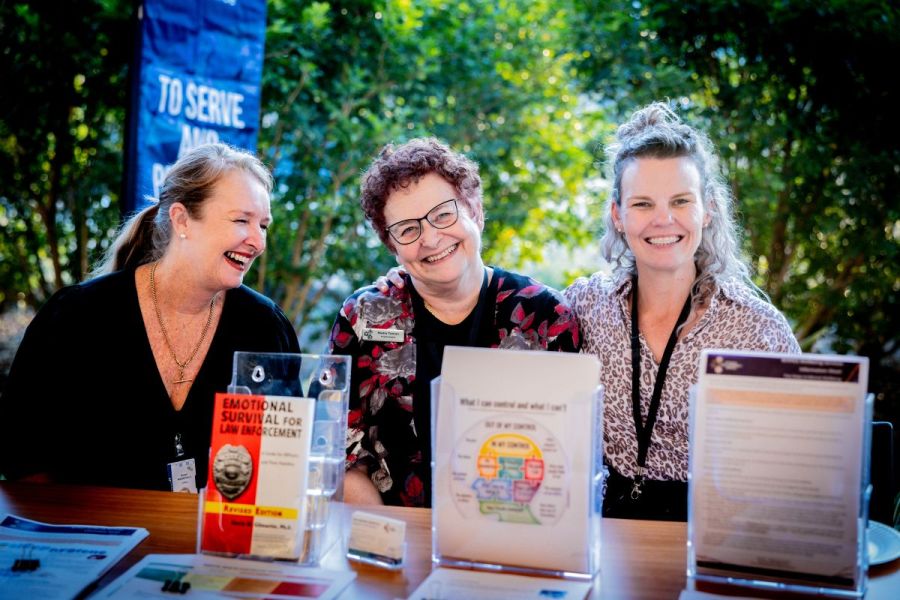
Wellbeing Strategy launch event 2023

Wellbeing Services

At Wellbeing Services, we’re here to look after the people who look after the Territory.

We support the mental, emotional and spiritual wellbeing of all Northern Territory Police Force (NTPF) and Northern Territory Fire and Emergency Services (NTFES) employees and volunteers — and their families.

Our team includes psychologists, social workers, occupational rehabilitation advisors, chaplains, peer supporters and administrative staff, working together to provide confidential care, early support, and practical advice. Whether you’re checking in after a tough job, need help managing stress or injury, or just want to talk something through — we’re here to help.

You don’t have to wait until something’s wrong — reach out any time for a check-in, advice, or help connecting with the right support.

Team roles and functions

The Wellbeing Services team brings together specialists from different areas who all work toward the same goal — supporting the wellbeing of our people and their families. Each role offers something a little different, depending on what kind of support you need. 

Every member of the team has signed a confidentiality agreement, so you can trust that your privacy is protected at all times.

Psychologists and social workers

Our clinicians provide confidential mental health support for NTPF and NTFES employees, volunteers, and their families. You can talk to them about anything that’s affecting your wellbeing — whether it’s work-related or personal.

They can help with stress, relationships, sleep, grief, trauma or performance concerns, and can also provide WellChecks, early intervention, and referrals to the Employee Assistance Program (EAP) or other supports when needed.

Occupational rehabilitation advisors (ORA)

Our occupational rehabilitation advisors are allied health professionals who help members recover from physical or psychological injury and return to work safely.

They work closely with you, your supervisor, treating practitioners and the Workforce Management branch of the Department of Corporate and Digital Development (DCDD) to coordinate the return-to-work process. Together, they develop plans that support recovery, workplace adjustments and long-term wellbeing.

ORAs provide clinical advice, assess work capacity in consultation with your treatment team, and make sure the health and workplace supports around you are aligned — helping you get back to work and stay well once you’re there.

Chaplains

Our chaplains offer confidential pastoral care and practical support to NTPF and NTFES employees, volunteers and their families — regardless of faith or belief.

They’re available to provide support during times of stress, loss, transition or crisis, and can visit workplaces, homes or hospitals when needed. Chaplains also provide ceremonial and memorial services, and can assist with debriefing or support following critical incidents.

You don’t need to have a religious background to talk with a chaplain — they’re simply here to listen, provide guidance and help you or your family find comfort and connection when things feel tough.

For contact details, visit your agency’s intranet or volunteers portal.

NTPF Intranet NTFES Intranetntes volunteers Portal NTFRS Volunteer Portal

Peer Support Coordinator

The Peer Support Coordinator oversees the Peer Support Program, which forms part of the Critical Incident Psychosocial Support framework.

Peer Support Officers (PSOs) are trained NTPF and NTFES members and volunteers who understand the realities of the job and the pressures that come with it. They’re available across stations and units to offer confidential support, check in after tough jobs, or just be someone to talk to when things feel off — whether it’s work-related or personal.

The Peer Support Coordinator provides guidance, training and ongoing support to PSOs, ensuring they’re equipped to safely assist their peers and link them to professional or pastoral care if needed.

The program works closely with Wellbeing Services clinicians and chaplains to make sure members and volunteers can access the right type of help at the right time.

To contact the Peer Support Coordinator or a Peer Support Officer, visit your agency’s intranet or volunteers portal.

NTPF Intranet NTFES Intranetntes volunteers Portal NTFRS Volunteer PortAL

Administration

Our administrative team is the first point of contact when you call or email Wellbeing Services. They’ll listen, take the time to understand what you need, and connect you with the right person or service for support.

The admin team also helps coordinate appointments, manage referrals, and make sure information is handled securely and sensitively. All administrative staff are based in Darwin at NAB House, supporting the wider Wellbeing Services team across the Territory.

Business hours

The Wellbeing Services team is available Monday to Friday, 8:00 am to 4:21 pm (excluding public holidays).

If you need psychological support outside these hours, you can still call (08) 8995 5422. During business hours, your call will reach the Wellbeing Services team. After hours, it automatically diverts to a confidential support line, ensuring help is always available for members and their families.

Office locations

Wellbeing Services has offices at NAB House, the Peter McAulay Centre, Palmerston Police Station, and Alice Springs Police Station.

Our clinicians and chaplains also travel regularly to NTPF and NTFES stations across the Territory to make support easy to access. Station visits are scheduled weekly or monthly for local areas, and every six to twelve months for regional and remote locations.

Upcoming visits are published on the intranet news feed at the start of each month. To find out when the team will next be visiting your station, check your agency’s intranet or volunteers portal.

NTPF Intranet NTFES Intranetntes volunteers Portal NTFRS Volunteer Portal

Confidentiality and privacy

Confidentiality is ensured by Wellbeing Services. Your information will not be shared without your consent, except in limited cases of imminent risk of harm, evidence of child abuse or domestic violence, or other mandatory legal obligations.

All Wellbeing Services team members have confidentiality agreements and follow strict confidentiality requirements. Clinicians also follow their respective professional codes of ethics and privacy legislation to make sure your information is handled safely and respectfully. Confidentiality levels vary among Wellbeing Services team members, which will be fully explained before engaging in services. 

For more information about confidentiality, visit the Wellbeing Services page on your agency's intranet or the volunteers portal.

Wellbeing Services programs

Wellbeing Services coordinates a range of programs that support the mental health and wellbeing of NTPF and NTFES employees and volunteers.

These include confidential counselling, WellChecks, peer and pastoral support, and follow-up after potentially traumatic events. Some programs are available to employees and volunteers only, while others also extend to immediate family members. Explore the programs below to learn more or find out how to get in touch.

WellChecks

A WellCheck is a private one-on-one conversation with a Wellbeing Services psychologist or social worker (clinician). It’s a chance to pause, reflect and make sure you’re travelling okay — not because something’s wrong, but because it’s important to look after your mental health just like your physical fitness.

    Confidentiality and informed consent

    Everything discussed during a WellCheck is confidential. Notes are kept securely within Wellbeing Services and are not accessible to any other business area or system. Information is only shared if there’s an immediate risk of harm to you or someone else, or if required by law.

    At the start of your WellCheck, your clinician will talk through informed consent — explaining what’s covered, how information is used, and any limits to confidentiality. You’ll then be asked to sign a short consent form before proceeding.

    After your session, you may receive a short, anonymous survey. This feedback helps us continually improve the way we deliver support to members.

    WellCheck appointments

    Appointments are scheduled for 60 minutes, giving you time to have a meaningful conversation without feeling rushed. Some sessions finish earlier, others may take longer — the focus is on supporting you at your pace.

    You can talk about anything that’s affecting you, including:

    • Work stress or fatigue
    • Family or relationship pressures
    • Sleep or lifestyle changes
    • General wellbeing or resilience


    You’ll also complete psychometric screeners as part of your WellCheck. These are short, evidence-based tools that help identify patterns in wellbeing and resilience over time. They’re not used for performance management, or fitness-for-duty decisions — they’re simply there to help you and your clinician better understand how you’re tracking and what supports might help.

    WellChecks are available in person or online. We encourage face-to-face sessions where possible, as they allow for stronger connection and support, but online appointments are available for members who are remote, travelling or deployed.

    Follow up and referrals

    If something comes up during your WellCheck, your clinician can discuss support options and help connect you with the right service. This may include an EAP provider, another allied health professional, internal supports, or community and specialist services.

    Participation in any further support is voluntary. Your clinician will always talk through recommendations before arranging a referral.

    Frequency and schedule

    Most members choose to have a WellCheck every 12 months, though some work areas may schedule them more regularly. You’re welcome to request one at any time, even if you’ve had one recently.

    Our clinicians visit NTPF and NTFES stations across the Territory on a regular schedule — weekly or monthly for most local areas and every six to twelve months for regional and remote locations. Online booking links become available when clinician visits are confirmed.

    Our upcoming visits are published to the intranet news feed at the beginning of each month. Further information is available on the Wellbeing Services page of the intranet or the volunteers portal.

    Book a WellCheck 

    Wellbeing Referral Form - coming soon

    The Wellbeing Services Referral Form is currently under construction. In the meantime, if you would like to make a referral, please email wellbeingservices@pfes.nt.gov.au 

    Critical incident psychosocial support

    Following a critical incident, Wellbeing Services coordinates timely, proactive psychosocial support for affected members and volunteers. The Critical Incident Notification (CIN) process ensures that anyone exposed to a potentially traumatic event is contacted, offered wellbeing support and followed up where needed.

    What is a critical incident?

    A critical incident — sometimes referred to as a potentially traumatic event — is any situation that has a stressful impact strong enough to temporarily overwhelm your usual coping strategies. Critical incidents are often sudden, confronting, or outside the range of ordinary human experience, but they can also be events that hold particular personal significance and trigger strong emotional or physical reactions.

    Why submitting a CIN matters

    Submitting a CIN allows Wellbeing Services to provide early, confidential support — not just for those directly involved, but also for anyone indirectly affected. It helps identify patterns of exposure across a career and supports the early detection of cumulative trauma, which can build up over time from repeated exposure to distressing events.

    The process also ensures the organisation meets its duty of care to check in on members following incidents that may have an emotional or psychological impact.

    What happens after a CIN is submitted

    Once a CIN is received, a member of the Wellbeing Services team will make contact — usually within a few days — to offer a wellbeing check-in. This is not an investigation or a reportable matter; it’s a confidential opportunity to talk about how you’re coping and whether you’d like additional support.

    Depending on your needs, this may include:

    • a one-off check-in or follow-up from a psychologist or social worker
    • referral to counselling or the Employee Assistance Program (EAP)
    • psychoeducation, wellbeing information or self-care resources
    • coordination of group or peer support if several members were involved.


    You don’t need to wait for a supervisor or colleague to submit a CIN — any member or volunteer can complete a Critical Incident Notification form.

    Common reactions

    Emotional and physical responses following a critical incident are common and completely normal. Recognising these reactions — such as difficulty sleeping, irritability, fatigue, or emotional numbness — can help you understand and manage them. Over time, this awareness supports recovery and resilience.

    Submit a CIN

    Employee Assistance Program (external counselling)

    Alongside the internal network of supports provided by Wellbeing Services, the team also manages the Employee Assistance Program (EAP) — a panel of external counselling and psychology providers offering confidential support and specialist services for NTPF and NTFES employees and volunteers, and their eligible family members.

    Find out more

    Peer Support Program

    The Peer Support Program helps NTPF and NTFES employees and volunteers look out for each other. Peer Support Officers are trained members and volunteers who understand the job and its challenges. They provide a safe, confidential space to talk, check in, and seek guidance — whether it’s about work, family, or something else that’s on your mind.

    How it helps

    Sometimes it’s easier to talk with someone who simply gets it. Peer Support Officers are fellow members and volunteers who understand the highs and lows of first responder work.

    They’re there to listen — not to judge or report — and can help you talk things through, find perspective, and connect with other support if you need it. You don’t have to wait until things feel serious to reach out.

    Confidentiality

    Conversations with a Peer Support Officer are confidential. What you talk about stays between you, unless there’s an immediate risk of harm to you or someone else, or it’s required by law.

    Peer Support Officers may sometimes link in with Wellbeing Services clinicians or chaplains if extra support is needed, but you’ll always be part of that decision.

    Becoming a Peer Support Officer

    Peer Support Officers are volunteers who are passionate about helping their colleagues. They receive training through Wellbeing Services in communication, mental health awareness and crisis response — building skills to safely support their peers.

    If you’re interested in becoming a Peer Support Officer, keep an eye on your agency’s intranet for upcoming expressions of interest or training opportunities.

    Contact a Peer Support Officer

    You can reach out to a Peer Support Officer at any time for a chat, or they may check in after a critical incident, major event or when someone notices you might need support. 

    Peer Support Officers are located across NTPF and NTFES stations, units and regions. You can contact any officer — it doesn’t have to be someone from your own work area.

    To find a Peer Support Officer contact, visit your agency’s intranet or volunteers portal.

    NTPF Intranet NTFES Intranetntes volunteers Portal NTFRS Volunteer Portal

    Honorary Chaplain Network

    The Honorary Chaplain Network is a developing volunteer program of local chaplains who work alongside the Wellbeing Services chaplains to provide additional pastoral and spiritual support to NTPF and NTFES employees and volunteers, and their families.

    Other internal support initiatives

    Alongside the services delivered by Wellbeing Services, there are several other internal initiatives across NTPF and NTFES designed to support your health, safety and wellbeing. These initiatives cover a range of areas — from managing fatigue and promoting healthy workplaces, to building connection, resilience and community. Each one plays a role in helping you stay well at work and at home.

    MyWellbeing Portal

    The MyWellbeing Portal is an online space designed to help NTPF and NTFES employees, volunteers and their families take charge of their wellbeing.

    It includes practical tools, self-guided learning and a library of articles, videos and resources to support your mental, physical and financial health.

    When logged in through your agency credentials, NTPF and NTFES employees can also access free screening and coaching sessions — personalised programs that help you track progress and work toward your wellbeing goals.

    All screening and coaching information is confidential. Individual results are not shared with managers, supervisors or Wellbeing Services, and can only be viewed by you and your assigned coach through the secure portal.

    Family members can browse the open psychoeducation content available on the portal.

    Go to MyWellbeing Portal

    Fatigue Management

    Fatigue can impact safety, performance, and wellbeing — particularly in roles involving shift work or extended hours. Fatigue management is overseen by each agency’s Work Health and Safety (WHS) team, with separate guidelines for NTPF and NTFES personnel.

    All members and volunteers are encouraged to complete the online Fatigue Management training and familiarise themselves with their agency’s procedures.

    For more information or advice, visit your agency’s intranet WHS page or contact your local WHS team.

    Early Intervention Program

    The Early Intervention Program provides proactive, confidential support to NTPF employees who may be showing early signs of stress or reduced wellbeing. The program aims to identify and address issues before they escalate — helping members stay healthy, safe, and well at work.

    Participation is voluntary and focused on early support, not performance management. The program links closely with Wellbeing Services and can help coordinate access to counselling, wellbeing advice, and other supports.

    For more information, visit the Early Intervention Program Policy on the NTPF intranet.

    Territory Mates

    Territory Mates is an internal volunteer network that offers practical help to NTPF and NTFES members, volunteers and their families during difficult times.

    Whether it’s mowing a lawn, delivering a meal, or lending a hand when life gets busy, Territory Mates brings our people together to support one another in small but meaningful ways.

    To request support or register your interest in helping out, visit your agency’s intranet or volunteers portal.

    Mark's Place

    Mark’s Place is a dedicated space for respite, reflection and reconnection. It provides a calm environment for NTPF employees and their families from remote and regional locations to rest, reset and spend time together away from the demands of work.

    It’s a place to slow down, recharge, and reconnect with what matters most. For more information or to arrange a stay, visit your agency’s intranet.

    External supports and services

    Sometimes it helps to reach out beyond work or family. These services offer free and confidential support — 24 hours a day — for anyone in the NTPF and NTFES community, and for the people who care about them. They’re here alongside our internal wellbeing supports, giving you different options to choose from — depending on what feels right for you.

    Crisis lines and specialist support

    These trusted services offer free, confidential support anytime — from immediate crisis lines to specialist help for you, your family, or someone you’re concerned about.

    If you or someone else is in immediate danger or risk of harm, call 000 or go to your nearest hospital emergency department.

    First responder–specific supports

    Fortem Australia
    Wellbeing and mental health support for first responders and their families — psychology sessions, peer and family activities, and transition support.
    📞 1300 33 95 94 | 🌐 fortemaustralia.org.au

    Crisis counselling

    Lifeline — Crisis support & suicide prevention
    📞 13 11 14 | 🌐 lifeline.org.au

    Suicide Call Back Service — Phone & online counselling for people at risk or bereaved by suicide
    📞 1300 659 467 | 🌐 suicidecallbackservice.org.au

    Beyond Blue — Support for anxiety, depression and stress
    📞 1300 22 4636 | 🌐 beyondblue.org.au

    NT Mental Health Access Line — 24/7 Territory-wide mental health triage and support
    📞 1800 682 288 | 🌐 nt.gov.au/wellbeing/mental-health

    Kids and teens

    Kids Helpline — 24/7 Free, confidential phone and online counselling for young people aged 5–25
    📞  1800 551 800 | 🌐 Kids Helpline

    Non-english speakers

    TIS National — Free interpreting for non-English speakers
    📞 131 450 | 🌐 tisnational.gov.au

    Aboriginal Interpreter Service (AIS NT) — 24-hour interpreting in Aboriginal languages for health, police, legal and community settings
    📞 1800 334 944 | 🌐 nt.gov.au

    Men

    MensLine Australia — Support for men with relationship or mental-health concerns
    📞 1300 78 99 78 | 🌐 mensline.org.au

    Defence veterans and families

    Open Arms – Veterans & Families Counselling — Free, confidential counselling 24/7 for current and ex-serving ADF personnel and families
    📞 1800 011 046 | 🌐 openarms.gov.au

    Safe Zone Support — Anonymous counselling for veterans, serving members and families (calls not recorded)
    📞 1800 142 072 | 🌐 openarms.gov.au/safe-zone

    Suicide bereavement

    Support for people who have been impacted by suicide, call 1300 727 247 or visit standbysupport.com.au

    Sexual assault, domestic and family violence 

    1800RESPECT — Sexual assault, domestic & family violence counselling and referral
    📞 1800 737 732 | 🌐 1800respect.org.au

    Blue Knot Foundation — Support for adult survivors of childhood trauma
    📞 1300 657 380 | 🌐 blueknot.org.au

    Sexual Assault Referral Centre (SARC) — 24/7 crisis medical care and counselling for anyone who has experienced sexual assault
    📞 (08) 8922 6472 | 🌐 health.nt.gov.au

    Ruby Gaea Darwin Centre Against Sexual Violence — Free counselling and advocacy for sexual-assault survivors
    📞 (08) 8945 0155 | 🌐 rubygaea.net.au

    Dawn House Women’s Shelter (Darwin) — Crisis accommodation and support for women and children escaping violence
    📞 (08) 8945 1388 | 🌐 dawnhouse.org.au

    Community-based supports

    QLife (LGBTIQ+) — Peer support & referral (3 pm–midnight daily)
    📞 1800 184 527 | 🌐 qlife.org.au

    Gambling Help Online — Free, confidential help for gambling-related issues
    📞 1800 858 858 | 🌐 gamblinghelponline.org.au

    Alcohol and Other Drugs Information Service (AODIS NT) — 24/7 confidential information, counselling and referral for alcohol or drug concerns
    📞 1800 131 350 | 🌐 health.nt.gov.au

    Visit the NTG community-based mental health services webpage for a complete list of non-government organisations that support individuals and carers with emerging or present mental health issues in the Northern Territory (NT).

    Emergency: Call 000 for police, ambulance or fire in life-threatening situations.

    First Nations

    13YARN — Aboriginal & Torres Strait Islander crisis support (24/7)
    📞 13 92 76 | 🌐 13yarn.org.au

    Brother to Brother — 24/7 crisis line for Aboriginal men
    📞 1800 435 799

    After-hours health advice

    healthdirect — 24/7 registered-nurse advice and care navigation
    📞 1800 022 222 | 🌐 healthdirect.gov.au

    Community and wellbeing networks 

    These organisations provide connection, advocacy and practical support to NTPF and NTFES members, families and retirees. They’re not counselling or crisis services, but they’re part of the wider wellbeing network that helps look after our people and their families.

    Fortem Australia Wellbeing Activities Calendar

    Fortem's wellbeing activities support first responders, and their families, to connect socially and build resilience.

    Fortem runs free wellbeing activities in Darwin, Palmerston and Alice Springs, as well as virtual sessions, which are available to NTPF and NTFES members, volunteers and their families — from yoga and nature walks to art workshops, barbecues and family events. They’re a great way to take a break, connect with others and build wellbeing outside of work.

    Check out Fortem’s Wellbeing Activities Calendar to register for the next wellbeing activity near you. 

    About Fortem's Social Connection activities

    All NTPF and NTFES employees, volunteers and their immediate families are eligible to participate in Fortem's Social Connection activities. We’re wired for social connection and thrive when our social needs are met. Fortem’s free, evidence-based social connection program provides low threat, low stigma activities that are free, varied and easy to access. These wellbeing activities are a ‘no strings attached’ opportunity to help first responders and their families to build resilience and boost mental fitness.

    Each activity supports participants to trust in their own abilities and to adapt and cope with new situations while reducing stress. This enables them to engage in new situations with the confidence and optimism necessary for positive wellbeing. 

    Social connection is a key protective factor in mental health and wellbeing.

    Unions, associations and legacy groups

    Northern Territory Police Association (NTPA)
    Industrial, legal and welfare support for sworn NT Police members.
    📞 (08) 8995 9520 | 🌐 ntpa.com.au

    United Workers Union (UWU)
    Union representation and workplace support for NT Fire and Emergency Services employees.
    📞 1300 275 692 | 🌐 unitedworkers.org.au

    Community and Public Sector Union (CPSU)
    Industrial and workplace representation for NTPS employees, including civilian PFES roles.
    📞 (08) 8941 5666 | 🌐 cpsu.org.au

    Northern Territory Police Legacy
    Financial, emotional and educational support to the families of deceased NT Police members.
    🌐 ntpolicelegacy.com.au

    Retired Police Association of the Northern Territory (RPANT)
    Social and welfare network for retired NT Police members and their families.
    🌐 rpant.com.au

    Explore other evidence-based mental health resources 

    These trusted national organisations offer reliable information, self-checks and practical tools to help you look after your mental health and wellbeing — at work, at home, and in your community.

    Black Dog Institute — education and self-checks

    Evidence-based information, practical toolkits and self-screeners for common mental health concerns. 

    🌐 blackdoginstitute.org.au

    Beyond Blue — information and workplace tools

    Plain-language guides for anxiety, depression and stress, with practical resources for families and workplaces. Includes the dedicated Police & Emergency Services Hub.

    🌐 beyondblue.org.au

    Medicare Mental Health — national wellbeing hub

    A government-run portal bringing together trusted digital resources, programs and helplines. Use it to find reliable information and local services.

    🌐 medicarementalhealth.gov.au

    MindSpot — free online programs

    Free, clinically supported online assessments and CBT-based programs for adults. Self-paced with optional clinician support.

    🌐 mindspot.org.au

    R U OK? — peer support and conversation resources

    A national suicide-prevention initiative that promotes regular, meaningful conversations to support those who might be struggling. The R U OK? website includes free workplace kits, conversation guides and awareness resources for individuals and teams.

    🌐 ruok.org.au

      Training and education

      Wellbeing Services offers practical training to build awareness, confidence and resilience across our workforce. NTPF and NTFES members and volunteers can take part in Mental Health First Aid or explore self-guided psychoeducation through the MyWellbeing Portal and other services to learn skills that support personal wellbeing and team care.

      Mental Health First Aid

      Mental Health First Aid

      Learn how to recognise, understand and respond to signs of mental health problems — in yourself or others.

      Mental Health First Aid (MHFA) is an accredited course that builds confidence to have supportive conversations and guide someone towards professional help when needed.

      Courses are free for all NTPF and NTFES employees, volunteers, and their immediate families.
      Family members are encouraged to attend — they’re often the first to notice when something changes, and the skills can help both at home and in the community.

      Training is delivered by accredited instructors and includes both standard and refresher options offered throughout the year.

      ENROL NOW

      Counselling and support

      Talk to someone now

      If you or someone else is at risk of harm or in immediate danger, call 000
      For urgent mental health support, contact the NT Mental Health Line on 1800 682 288 (available 24/7).

      Wellbeing Services

      Wellbeing Services provides confidential support and wellbeing advice for all NTPF and NTFES members and volunteers.

      Call Wellbeing Services on (08) 8995 5422 at any time for support and guidance.

      During business hours, you’ll reach our clinicians and wellbeing team. After hours, your call is answered by an external counselling services, ensuring confidential support is available to members and their families at any time.

      Employee Assistance Program (EAP)

      The EAP provides free, confidential counselling and support through contracted independent providers. It’s available to all employees, volunteers and their eligible family members. Sessions can be arranged face-to-face, by phone or online, and cover personal, family or work-related matters. Participation is voluntary and completely private.

      Find out more

      Peer Support Program

      Peer Support Officers are trained NTPF and NTFES members and volunteers who understand the job and its challenges. They offer a confidential space to talk, check in, and work through what’s happening — whether it’s work-related or personal.

      To find a Peer Support Officer contact, visit your agency's intranet or volunteers portal:   

      NTPF Intranet NTFES Intranetntes volunteers Portal NTFRS Volunteer Portal

      Chaplaincy

      Wellbeing Services Chaplains offer confidential pastoral care and practical support — regardless of faith or belief. They can visit workplaces, hospitals or homes, and are there when you need someone to talk to.

      To contact a Wellbeing Services Chaplain, visit your agency's intranet or volunteers portal: 

      NTPF Intranet NTFES Intranetntes volunteers Portal NTFRS Volunteer Portal

      Other supports

      There are also a number of external services that provide free, confidential support at any time. These can be accessed by you, your family, or anyone in need of help.

      Lifeline
      13 11 14
      Crisis support and suicide prevention.
      Beyond Blue
      1300 22 4636
      24/7 support for depression, anxiety and general mental health.
      Suicide Call Back Service
      1300 659 467
      24/7 counselling for people at risk, carers and those affected by suicide.
      MensLine Australia
      1300 789 978
      Support for men with family, relationship or emotional concerns.
      1800 RESPECT
      1800 737 732
      Confidential support for family, domestic or sexual violence.
      Open Arms
      1800 011 046
      Counselling and support for current and ex-serving ADF personnel and their families.

      If you’re unsure which service to contact, you can always reach out to Wellbeing Services for advice or guidance.

      If you're unable to access the intranet or volunteers portal, please contact Wellbeing Services for more information.